A workplace micro market combines open shelving, refrigerated storage and self-checkout technology to create an unattended refreshment space. Its cost cannot be reduced to the price of a kiosk because design, equipment, products, service and the employer’s payment model all matter.
Some qualifying locations use a provider-funded installation supported by employee purchases. Others subsidize products, provide credits or pay for the entire program. Understanding these models is the first step toward a meaningful estimate.
Quick answer: What does a workplace micro market cost?
Micro-market cost depends on workforce size, space, coolers, shelving, checkout technology, electrical work, product range, service frequency and whether employees or the employer pay for products. A qualifying location may receive provider-owned equipment under a service agreement, but custom construction and subsidies may add cost.
What a micro market includes
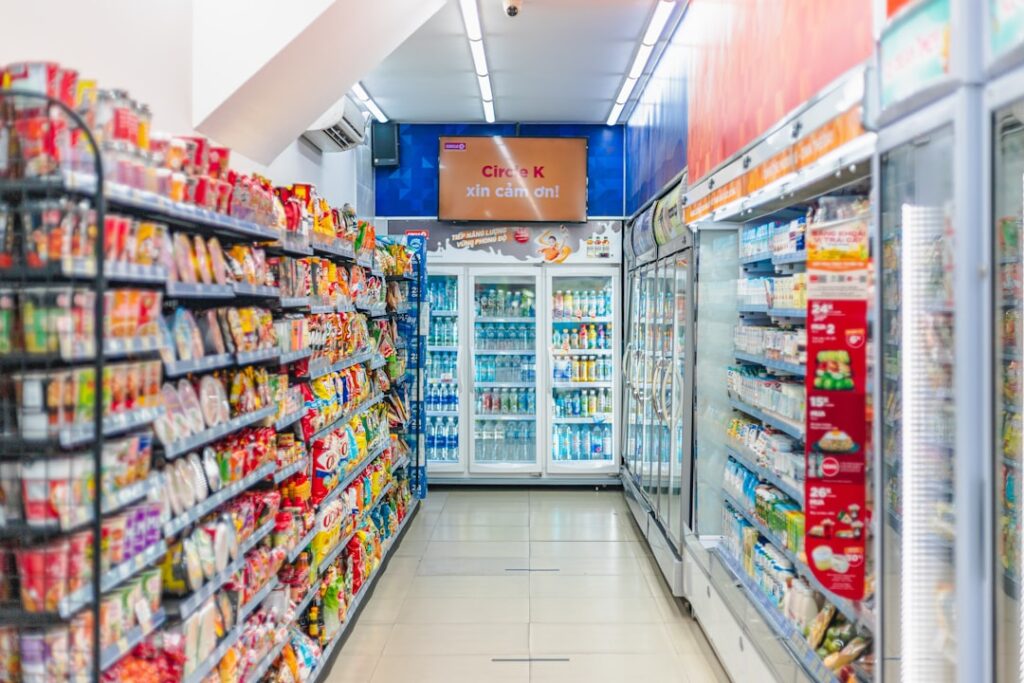
A typical setup may include open product displays, refrigerated coolers, a freezer where appropriate, a self-checkout kiosk, cashless payments and an opening assortment of snacks, drinks and fresh food. The provider then replenishes products and monitors performance.
The market can be compact or extensive. A straightforward breakroom conversion will have a different cost profile from a branded installation with cabinetry, several refrigeration units and a wide fresh-food selection.
Factors that influence setup cost
The available room determines how much fixture work is needed. Electrical capacity, internet or cellular connectivity, delivery access and security arrangements can affect installation. Equipment selection and custom finishes also influence the project.
Operational factors matter after launch. Fresh food requires careful turnover, and a high-volume multi-shift facility may need more frequent service than a standard office.
Who pays for products?
In an employee-paid model, users purchase items at the kiosk. An employer-subsidized micro market can reduce prices through a company contribution. A fully funded program provides refreshments without employee payment, while a hybrid may offer monthly credits or selected complimentary items.
The employer should define its objective and budget before requesting a proposal. A retention-focused benefit may justify a subsidy, while a 24-hour convenience program may work well as employee-paid retail.
Is installation free?
Some providers may install and own equipment at qualifying locations, using product sales to support the service. That does not mean every installation is free or every workplace qualifies. Custom millwork, electrical upgrades, unusual access and special branding may be outside a standard arrangement.
Ask for an itemized explanation of provider-funded components, employer responsibilities and optional upgrades.
Micro market versus vending cost
Traditional machines use enclosed product capacity and generally require less room. A micro market can offer broader variety and fresh food, but it needs open-floor planning, checkout technology and security measures.
The right comparison is not only upfront expense. Consider employee experience, variety, operating hours, expected use, restocking and the workplace’s ability to support the footprint.
How to budget and request a proposal
Prepare daily headcount, shifts, operating hours, desired products, available dimensions and photographs. Decide whether employees will pay full price or receive a subsidy. Note security access, electrical outlets and any custom design goals.
Request clarity on equipment ownership, installation, service, shrinkage, payment processing, termination and removal. A transparent proposal should distinguish required elements from optional upgrades.
Frequently asked questions
Is a micro market free to install?
It may be provider-funded at an approved site, but eligibility and custom-work costs vary.
How much space is required?
There is no single size. The layout depends on equipment, product variety, traffic flow and accessibility.
Who owns the equipment?
In many managed programs the provider owns it, but the agreement should confirm ownership.
Do employees have to pay?
Not necessarily. Programs can be employee-paid, subsidized, employer-funded or hybrid.
Can a micro market replace a cafeteria?
It may provide a lower-labor 24/7 alternative in some workplaces, but meal needs, staffing and volume must be assessed.
What should be included in a quote?
Equipment, setup, products, service, payment processing, custom work, responsibilities and agreement terms.
Take the next step
Contact Mainly Vending for a customized micro-market assessment based on your Maine facility, workforce and desired employee experience. If security is a concern for an open-shelf format, read more about how secure self-checkout micro markets are.